


News
Residential Energy Storage

Residential Energy Storage
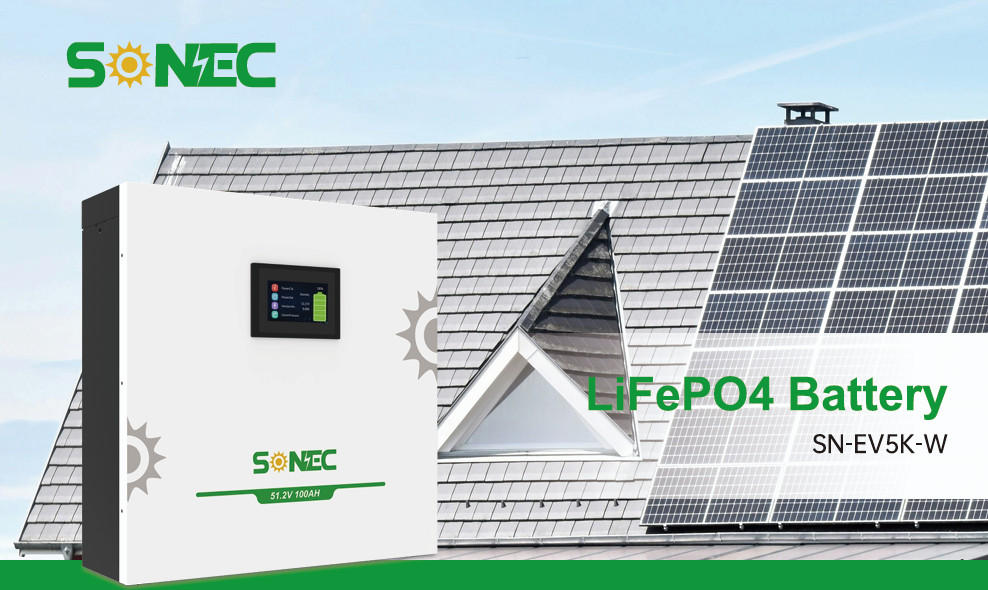
Residential energy storage is a key piece of the puzzle of creating a green future, enabling homes to maximize their self-consumption of solar power and reduce reliance on the grid.residential energy storage A battery energy storage system (BESS) also provides backup power in the event of a grid outage, enhancing your home’s resilience.
Generally, energy storage consists of lithium batteries that are used to store excess electricity produced by renewable sources for use at a later time.residential energy storage A household’s BESS may be connected to their solar power system and/or the grid, as well as a back-up generator, to provide a comprehensive home power solution.
An important aspect of RESS is its ability to reduce the need for costly grid electricity during peak demand times, such as the hours from mid-afternoon to mid-evening. By storing the energy generated by their solar PV system during these hours, a household can use it later to offset after-hours consumption from the grid and save on electricity costs under certain rate structures.
Additionally, RESS can also play a critical role in grid stability by providing short-term demand response to manage peak hour stress and the need for expensive standby generation like diesel generators. It can also contribute to frequency correction – the provision of ultra-short-term corrective action to keep mains power frequencies within their tolerance ranges, typically 50 Hz or 60 Hz (+/- n%).
The key benefits of a residential energy storage system include financial savings, a reliable backup power supply, increased energy independence and sustainability. Financial savings are possible because of reduced electricity purchase from the grid during high-demand periods and because RESS can deliver a return on investment for those with solar PV systems.
Home battery systems are designed to store the surplus electricity produced by solar panels during the day. This energy is often exported to the grid (and rewarded with a feed-in tariff) or stored in a home energy storage system for consumption after sundown. This reduces the amount of energy that needs to be purchased from the grid during peak demand periods, thereby saving on electricity bills.
The battery storage system consists of three essential components: battery cells, an inverter and a battery management system. The battery cells are responsible for storing DC energy that is converted by the inverter to AC electricity for your home’s electrical system. The inverter is also responsible for ensuring the health and performance of the battery cells over time. Finally, the battery management system keeps tabs on all of this information to ensure it’s functioning properly. For example, the battery management system will prevent overcharging, overheating and other issues that can damage or ruin the cells. Unlike fossil fuels, a lithium battery can be recharged thousands of times over its lifetime without degrading or losing efficiency. As a result, RESS is a cost-effective and sustainable alternative to fossil fuels. Ultimately, it’s one of the most powerful tools available to combat climate change. It’s a game-changer that offers significant environmental and economic benefits.
Tags:home energy storage solution | industrial energy storage system | solar storage system