



News
Factors to Consider When Buying a Home Battery

Factors to Consider When Buying a Home Battery
Home battery is a powerful energy solution that reduces reliance on the grid, saves money, and provides peace of mind during power outages. However, before making a decision to purchase and install a home battery system it’s important to consider a few key factors.
The cost of a home battery depends on the size of the battery and how complex the installation is. However, government incentives such as the 30% clean energy tax credit and utility rebates can significantly reduce prices for homeowners.
Battery systems are sized in kilowatt-hours (kWh), and a household’s power consumption is the primary driver in choosing the right capacity for their needs. Additionally, a battery’s lifespan and maintenance requirements should also be considered as they have a finite lifespan and may require replacement at some point in the future.
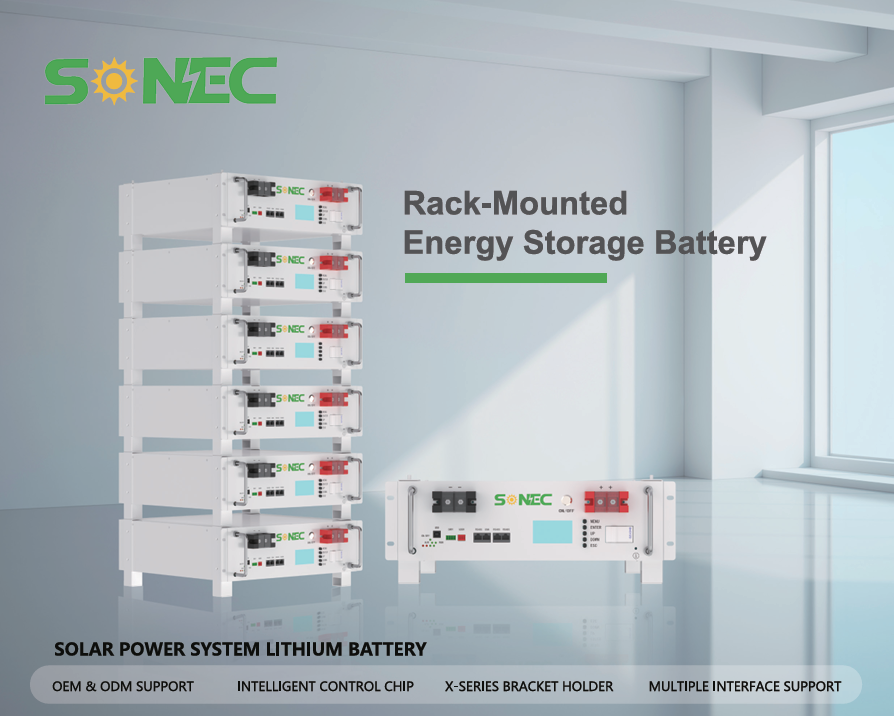
All-in-one battery energy storage systems are the most cost effective and consist of a hybrid inverter and charger connected to a modular DC battery system. These are a great option for households that are looking to start small and then expand later.
When paired with solar panels, a battery can maximise your savings by storing excess energy during the day to use at night and/or during peak demand periods. This can lead to significant electricity bill savings, especially in states with time-of-use pricing.
A home battery system can also provide resilience against power outages caused by extreme weather conditions or ageing transmission infrastructure. Paired with solar panels, the batteries can keep essential appliances powered up for as long as necessary, and may even be able to help reduce the risk of blackouts altogether.
Batteries are a safe and reliable alternative to generators, but they must be properly installed and maintained. A poorly installed system can be susceptible to thermal runaway and, if the batteries are undersized, may not be able to provide enough energy to support all your appliances.
In addition to the financial benefits, a home battery can help you reduce your carbon footprint by reducing your reliance on fossil fuels and increasing your self-consumption of renewable energy. Additionally, a battery system can protect you against rising electricity prices and price volatility.
As the market for home battery systems continues to grow, we can expect innovations in both hardware and software to continue to improve their performance and versatility. For example, we anticipate that batteries will be able to work more intelligently with complicated utility rates such as demand charges, which are charged based on your maximum demand for energy during a given hour or 15-minute period of the month. Batteries will also become smarter, and may be able to anticipate when it is most cost-effective to push excess energy back to the grid. This will enable homeowners to take advantage of time-of-use rates and receive compensation through virtual power plants.
Tags:home battery storage