


News
Energy Storage Solutions

Energy Storage Solutions
In the past, energy flowed predictably in one direction: from power plants to homes and businesses.energy storage solutions Today, that’s no longer the case. Energy storage is an enabling technology that can improve reliability and resilience, integrate generation sources, and reduce environmental impacts.
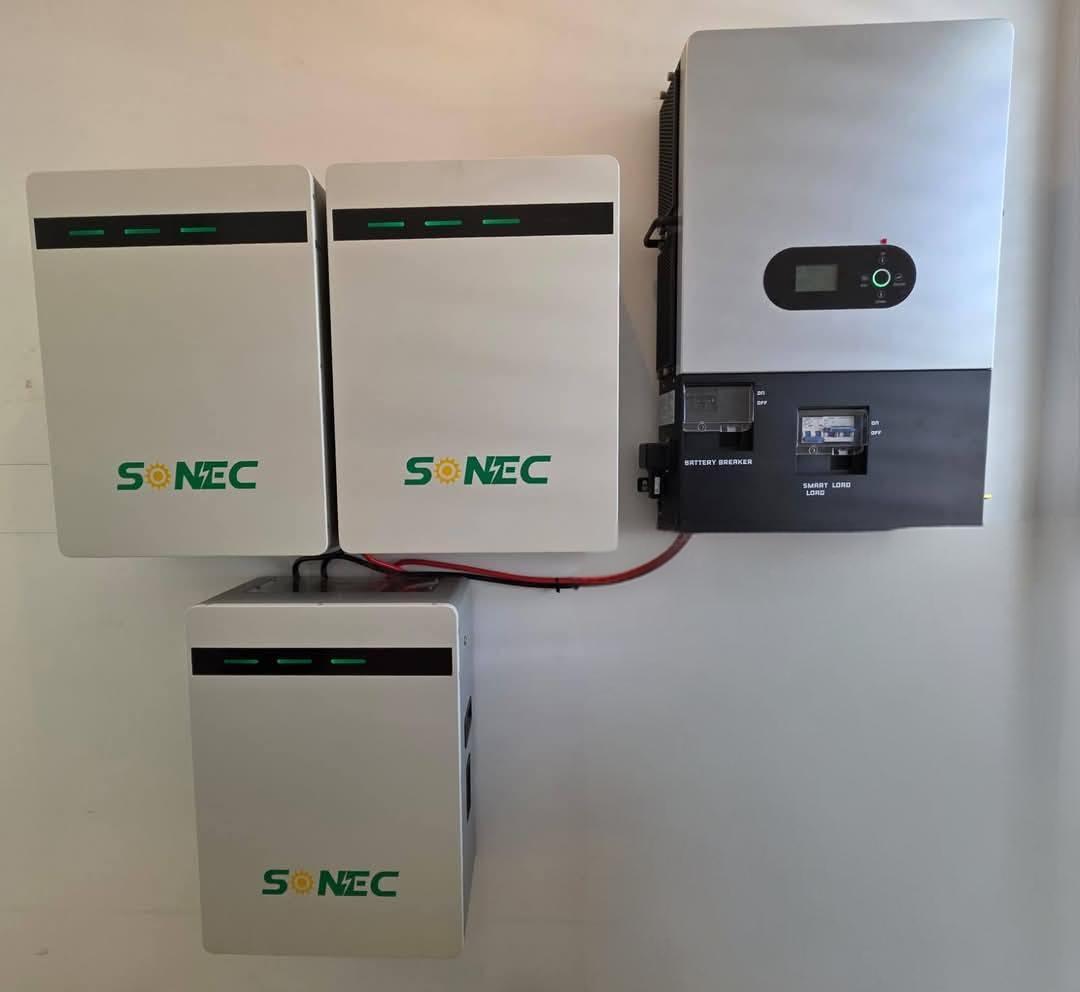
The most well-known form of energy storage is a battery.energy storage solutions The same type of backup power used in your car or smartphone, a battery can help keep your home powered even during outages and provide you with more control over your energy consumption. The energy stored in a battery can be recharged during the day using solar panels, then deployed at night to power your appliances and electronics.
At a utility scale, battery energy storage systems can also be used to stabilize electric grids and support renewable integration.energy storage solutions By storing excess electricity during off-peak periods and dispatching it at peak times, utilities can shift demand, alleviate transmission congestion, and minimize the need for expensive and immediate sources of energy.
Energy storage can also be used to provide ancillary services, which are necessary to maintain a healthy electric grid. Fast response ESSs are ideally suited to this role, as they can quickly respond to the changing needs of the grid on a second-to-second basis. Examples of ancillary services include frequency regulation, spinning reserve, and voltage support.
Another way energy storage can be beneficial is by helping to offset the cost of renewables for consumers who choose to install them. By capturing electricity produced by solar panels or wind turbines at a lower rate, then storing it for use later when the price of energy is higher, these customers can save on utility rates and lower their carbon footprint.
Battery storage can also be used to enable electric vehicle charging. By storing energy from the grid during off-peak hours and then releasing it to charge EVs at peak usage times, this technology helps relieve stress on the electricity grid while facilitating the growing adoption of clean mobility.
Other forms of energy storage can be used in industrial and commercial applications to optimize energy consumption, reduce peak demand charges, or participate in energy markets for additional value. For example, thermal storage can be long-term (tank or underground), medium-term (pit, borehole, or packed bed), or short-term (seasonal).
The options for energy storage are endless and continue to evolve. For instance, new battery technologies such as flow batteries are providing more capacity and longer backup coverage for residential and commercial energy storage solutions. In addition, the proliferation of smart devices and connected appliances means more opportunities to deploy ESS to help mitigate the effects of power outages and support a more resilient grid.
Tags:best energy storage system