


News
Battery Storage For Home

Battery Storage For Home
Batteries are essential for powering everyday devices like flashlights, TV remotes and more.battery storage for home But improper storage can lead to battery leakage, reduced lifespan or even dangerous overheating. Learn the best ways to store household batteries like alkalines and lithium AA, AAA, C, D and 9V types to extend their life and ensure safety.
Avoid Heat and Direct Sunlight: Keep batteries out of hot or humid places, where they may be prone to overheating.battery storage for home Direct sunlight can also accelerate chemical reactions within the cells, resulting in faster degradation or corrosion. Store batteries in a cool, dark place out of the reach of children and pets. Ideally, they should be stored in their original packaging or a non-conductive organizer to prevent contact and accidental short circuits.
Always Check the Expiration Date: When storing disposable or rechargeable batteries, use the first-in, first-out method.battery storage for home Replace old batteries with new ones as needed, and remove batteries from devices when not in use. Idle batteries lose their charge over time, leading to “vampire drain” that can damage your electronics or even cause a fire.
Separate Batteries: It’s important to keep different chemistries like alkalines and lithium batteries separate, as they discharge at different rates and are prone to chemical reactions that result in leaked or corroded batteries.battery storage for home Store them in a non-conductive battery organizer or plastic case to prevent contact and a potential short circuit.
Don’t Throw Batteries in the Trash: Used batteries pose a fire risk when mixed with other materials, and they can poison our environment. Instead, recycle them properly through programs like Call2Recycle to find free drop-off locations near you.
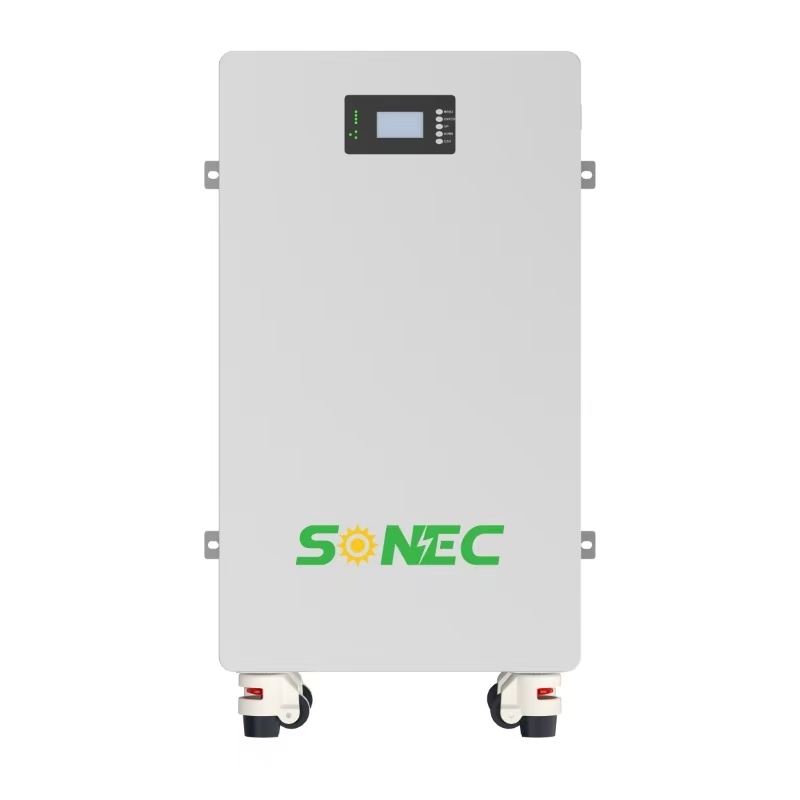
Standalone Home Batteries
A standalone battery system offers peace of mind during power outages and enhances energy resilience. It can be charged from the grid or solar systems, and can supply power to critical circuits in your home during a blackout. Modern batteries are designed to scale, allowing homeowners to start small and expand capacity as their needs change.
Home battery storage isn’t just for backup power, but can help homeowners save on electricity costs. Today’s batteries can be configured with various energy management algorithms that prioritize the use of renewables, shift consumption to less expensive times or reduce peak pricing during high demand. They’re also compatible with existing solar installations and can be paired together for a powerful whole-home energy solution. These batteries are often based on lithium-ion technology similar to the kind found in your phone or laptop, although newer chemistries like Lithium iron phosphate offer greater safety and performance. Like all clean energy technologies, they degrade with age and usage, but most battery manufacturers offer a warranty that guarantees at least 70% of their original capacity over 10 years and 7,000 charge-discharge cycles. This is a good benchmark to consider when shopping for a battery system.