


News
Getting Started With Off-Grid Solar

Getting Started With Off-Grid Solar
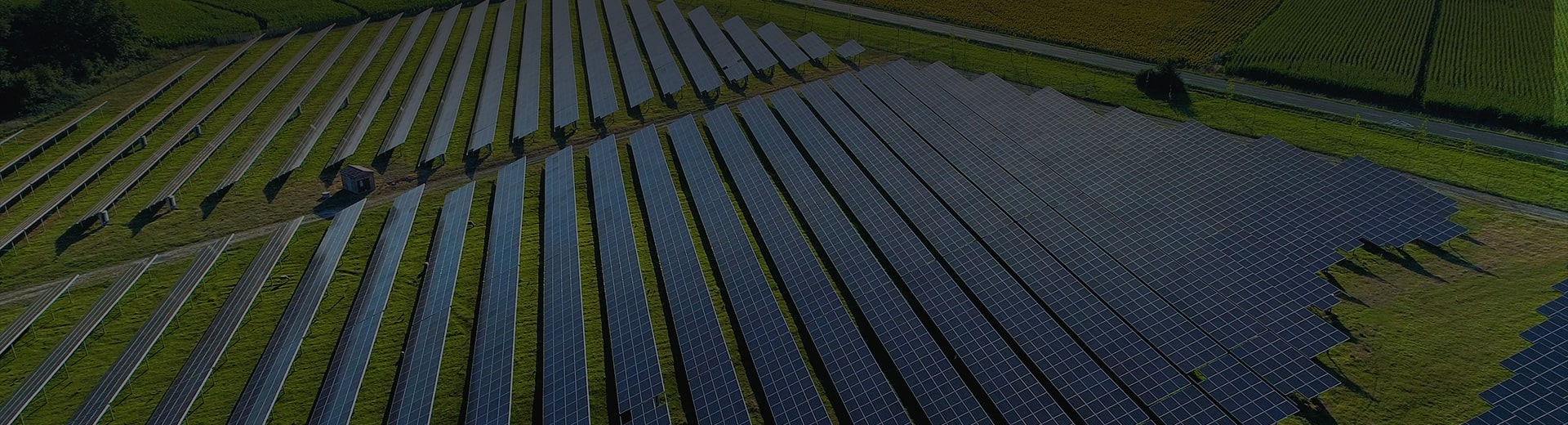
An off-grid solar system operates independently from the public electricity grid using photovoltaic (PV) panels and solar battery storage to generate energy. It can provide a reliable source of power at night or during times when your electricity consumption exceeds the amount of solar energy your system produces. Off-grid systems can also be combined with a backup generator, which provides electricity when the weather is inclement or you run out of stored energy.
While an off-grid solar system has the benefit of reducing or eliminating your electricity bills, it is usually more expensive than a grid-tied solar system because of its greater reliance on batteries. This higher initial investment can be offset by the savings from reduced or eliminated electricity costs and the recouping of the up-front cost through federal and state solar rebates and incentives.
Getting started with off-grid solar can be easier and more affordable than ever thanks to advances in solar panel efficiency, battery technology, and energy management systems. Multiple companies offer all-in-one off-grid solar systems that bundle essential components like solar panels, a charge controller, and a PV inverter into one cost-effective package. This simplifies installation and reduces the risk of error by ensuring all components work together.
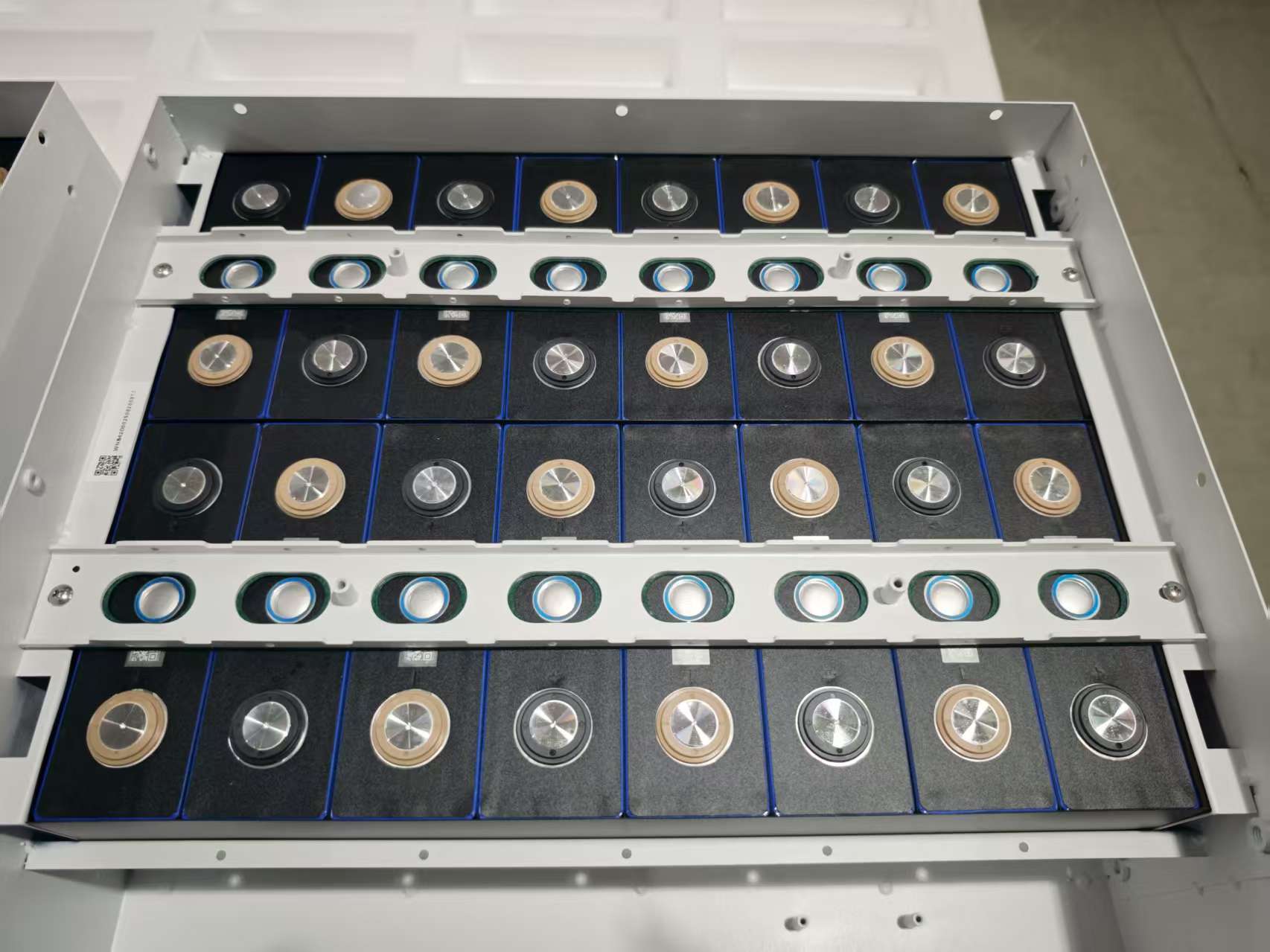
Off-grid solar systems typically include a solar charge controller to regulate voltage and prevent overcharging. They also include a battery bank to store excess energy for use at night or during periods of low sunlight. Battery types range from deep-cycle lead-acid to lithium-ion and liquid flow batteries. Lithium-ion batteries are more expensive, but they charge faster and have a longer working life.
A solar inverter converts the direct current (DC) generated by your PV panels into alternating current (AC) that can be used to power appliances and electronics. The type of inverter you choose depends on your energy requirements and the type of appliances you’ll be running. Modified sine wave inverters are the cheapest option, but they produce a less stable AC output that could damage sensitive devices. A pure sine wave inverter offers a more consistent AC output and is recommended for off-grid solar energy systems.
When selecting an off-grid solar system, be sure to factor in the size of your home or building, the amount of electricity you use each day, and how much sunlight your location receives. For example, a large house with high energy usage and little to no shade will need a larger PV array and more batteries than a small home with lower electricity consumption and lots of shade. Additionally, if you plan on adding appliances or electronics in the future, make sure your off-grid solar system can accommodate their electricity requirements. If not, you may need to upgrade your system or consider a hybrid solar system that remains connected to the grid and utilizes the utility electricity grid as a virtual battery during periods of low sunlight.