


News
Beyond Power Outages: The Surprising Versatility of Home Battery Storage

When most people hear “home battery storage,” they picture a silent, dark house illuminated only by a few essential lights during a blackout. While providing emergency backup power is a foundational benefit, this view severely underestimates the capabilities of modern energy storage systems. Today’s residential energy solutions are sophisticated hubs of energy management, offering a surprising range of financial, environmental, and grid-supportive functions that are redefining the relationship between homeowners and their electricity.
The humble battery has evolved from a simple backup gadget into a dynamic asset that can generate savings, maximize renewable energy, and even contribute to community resilience. Let’s explore the multifaceted roles a home battery storage system can play in your life.
The Financial Strategist: Mastering Time-of-Use Rates
One of the most immediate benefits of a home battery storage system is its ability to act as a personal financial manager for your electricity bills. Many utility companies are shifting to Time-of-Use (TOU) rates, where the cost of electricity fluctuates throughout the day, often skyrocketing during “peak” hours in the late afternoon and early evening when demand is highest.
This is where your home battery storage system shines. Instead of drawing expensive power from the grid during these peak periods, you can program your system to discharge the energy it stored during cheaper, off-peak hours. You effectively buy electricity when it’s low and use it when prices are high, a practice known as “peak shaving” that can lead to significant reductions on your monthly bill .
Furthermore, some utilities offer load reduction programs that pay you for reducing your grid consumption during times of highest system demand . Your home battery storage can automatically respond to these signals, discharging power to support the grid and earning you credits or direct payments, turning your energy storage into a source of income.
The Solar Soulmate: Maximizing Your Green Investment
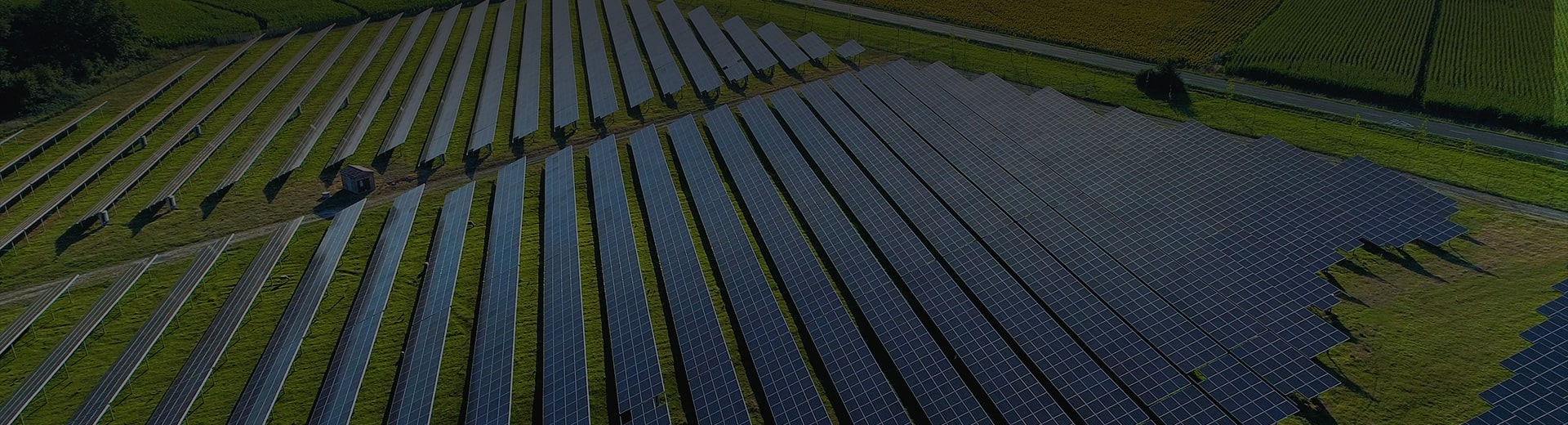
For homes with solar panels, adding home battery storage is a transformative upgrade that unlocks the full potential of your solar investment. Without a battery, any excess solar energy your panels produce during the sunny midday hours is typically sent back to the grid. While net metering provides some compensation, the credit rate is often lower than the retail price of electricity.
A home battery storage system captures every kilowatt-hour of that excess solar energy for your own use later . This means you can power your home with your own clean, self-generated solar energy long after the sun has set. You dramatically increase your “self-consumption” of solar power, reducing your reliance on the grid and maximizing the return on investment from your solar panel system .
This combination also ensures that your home has backup power even when the sun isn’t shining. An often-overlooked fact is that a standard grid-tied solar system without home battery storage will shut down during a blackout for safety reasons. Only when paired with a battery can your solar panels keep your lights on during an outage .
The Grid Citizen: Powering Community Resilience
Perhaps the most forward-thinking application of home battery storage is its role in supporting the broader community’s electrical grid. Through specialized utility programs, homeowners can enroll their battery systems in a “Virtual Power Plant” (VPP). In a VPP, hundreds or thousands of individual home battery storage units are networked together to act as a single, large power plant .
When grid demand is at a peak—during a heatwave, for instance—the utility can send a signal to these aggregated batteries to discharge a small amount of their stored energy back to the grid. This collective action helps prevent rolling blackouts and reduces the need to activate polluting “peaker plants,” which are often the dirtiest and least efficient power sources . In return, participants receive financial incentives, making their home battery storage not just a personal asset, but a citizen of a smarter, more resilient, and cleaner energy community.
The Electric Vehicle’s Partner and The Enabler of Energy Independence
The electrification of transport is adding a significant new load to household electrical systems. Charging an electric vehicle (EV), especially on a Level 2 charger, can draw nearly as much power as an entire home. A home battery storage system can intelligently manage this new demand.
Instead of forcing your main electrical panel to draw a massive surge of power from the grid all at once—which could potentially lead to demand charges or require a costly panel upgrade—the battery can supplement the power for your EV charger. This allows for efficient charging without overburdening your home’s electrical system. Furthermore, for those with solar, you can use your stored solar energy to charge your car, making your transportation truly sun-powered .
For those in remote locations or seeking ultimate self-sufficiency, advanced home battery storage setups make off-grid living a realistic and comfortable option. Paired with a robust solar array, these systems can provide reliable, clean power in locations where connecting to the utility grid is impractical or prohibitively expensive .
A Look at the Technology and Safety
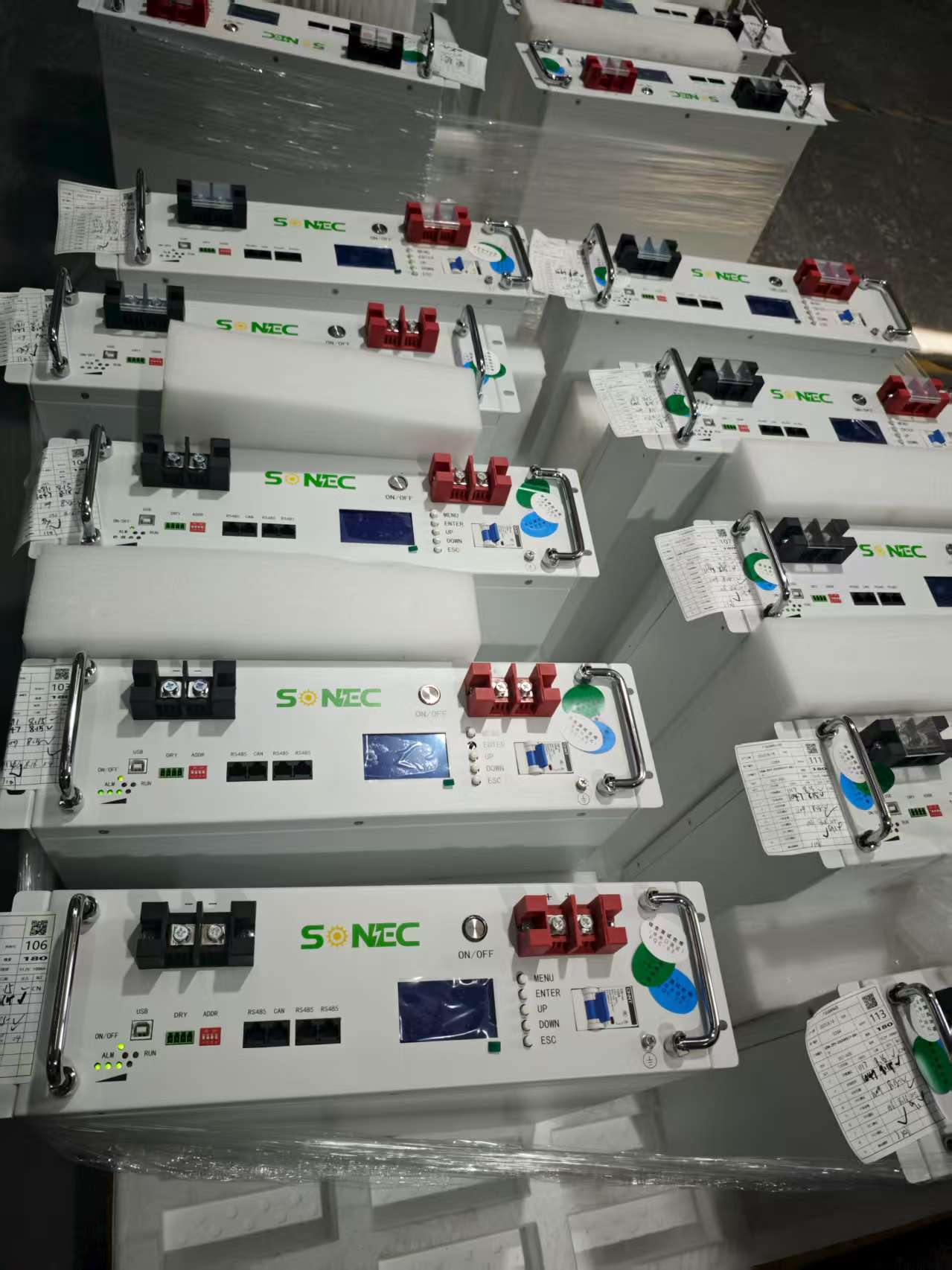
The dominant technology in today’s home battery storage market is the lithium-ion battery, prized for its high energy density and long life . Within this category, lithium iron phosphate (LFP) batteries are gaining popularity for their enhanced safety and even longer cycle life . A typical home battery storage system is about the size of a small cabinet and is often installed near the main electrical panel, in a garage, or on an outside wall .
Safety is a common concern, and modern systems are designed with multiple layers of protection. They include sophisticated monitoring and management systems, comply with strict electrical and fire codes, and are built with the same underlying technology used in electric vehicles and consumer electronics, which has been deployed in tens of thousands of systems worldwide .
Conclusion: An Investment in a Smarter Energy Future
The narrative around home battery storage is decisively shifting from one of emergency preparedness to one of intelligent energy optimization. It is a dynamic financial tool, a solar energy maximizer, a grid-stabilizing force, and a core component of the modern, electrified smart home.
When you invest in a home battery storage system, you are not just buying insurance against power outages. You are investing in long-term financial savings, greater energy independence, and a active role in building a more resilient and sustainable electrical ecosystem for everyone. The question is no longer just “How long will it power my home in an outage?” but “How much value can it create for me and my community every single day?” The surprising versatility of modern home battery storage provides a powerful and affirmative answer.