


News
Commercial Battery Storage

Commercial Battery Storage
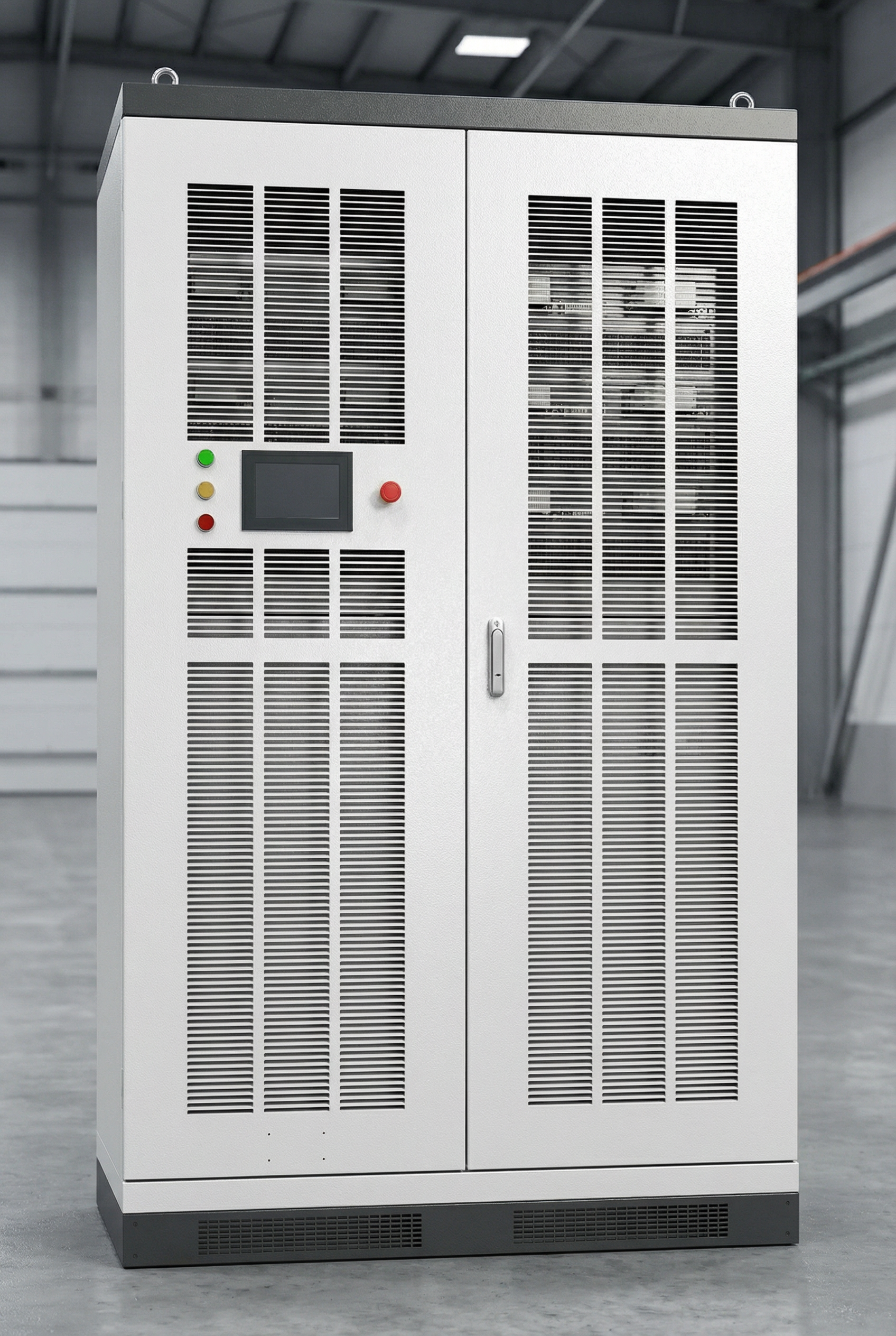
Commercial battery storage is a powerful solution for businesses to manage their energy use, optimize their electricity costs, and support sustainability efforts.commercial battery storage These systems can be designed to work with any type of renewable energy system, from rooftop solar panels to wind turbines, or even as a standalone system. They’re usually engineered for larger capacities and higher scalability than consumer batteries, and utilize advanced battery technologies with power conversion systems (PCS) and energy management software.
Unlike the consumer-grade batteries used in electric vehicles and telecommunications networks, commercial battery energy storage systems are typically used at large scale for grid energy management, virtual power plant (VPP) applications, and backup power. Their size, capacity, and technology vary based on application needs, as they can range from 100 kW up to multi-MW utility projects.
As the global transition to a more sustainable energy landscape continues, more companies are seeking solutions that can provide more control over their energy use and operations. These include commercial and industrial battery storage systems that can be used to reduce demand charges, lower electricity rates, or even offer a reliable source of backup power in the event of an outage.
In general, a battery energy storage system consists of an array of battery cells, a power conversion system, and an energy management software to monitor and optimize its operation. The battery cells store the energy produced by solar panels or renewables, while the power conversion system enables bidirectional energy flow from the batteries to end-use applications, the grid, or both. The energy management software monitors and predicts demand patterns, then optimizes battery charging and discharging schedules to maximize efficiency and savings.
One of the most common applications for C&I battery storage is peak shaving, which involves storing energy during off-peak hours and releasing it during peak load periods to reduce demand charges on electricity bills. The resulting cost savings can be significant, as businesses avoid paying higher tariffs during these times.
Another use for commercial battery storage is load shifting, which is a technique that aims to minimize the strain on the grid by storing energy during periods of low electricity demand or high renewable production and releasing it during peak demand. The result is that businesses pay significantly less for their electricity and reduce their reliance on the grid, all while contributing to the overall efficiency of the energy system.
A battery energy storage system’s lifetime depends on the frequency of its charging and discharging cycles, the quality of components, environmental conditions, and maintenance. However, the lifecycle of commercial battery energy storage systems is typically up to 20 years with proper maintenance. For example, a lithium-ion commercial battery storage system can retain up to 95% of its charge after 10 years of cycling, whereas other battery technologies lose around 2 to 3% per month when left unused.
Tags:home battery