


News
What is an Energy Storage System?

What is an Energy Storage System?
An energy storage system, or ESS, is used to store electricity that can be released to provide power at times when it’s needed most.energy storage system It allows renewable energy to be integrated on a larger scale, and can also protect us from interruptions in grid supply.
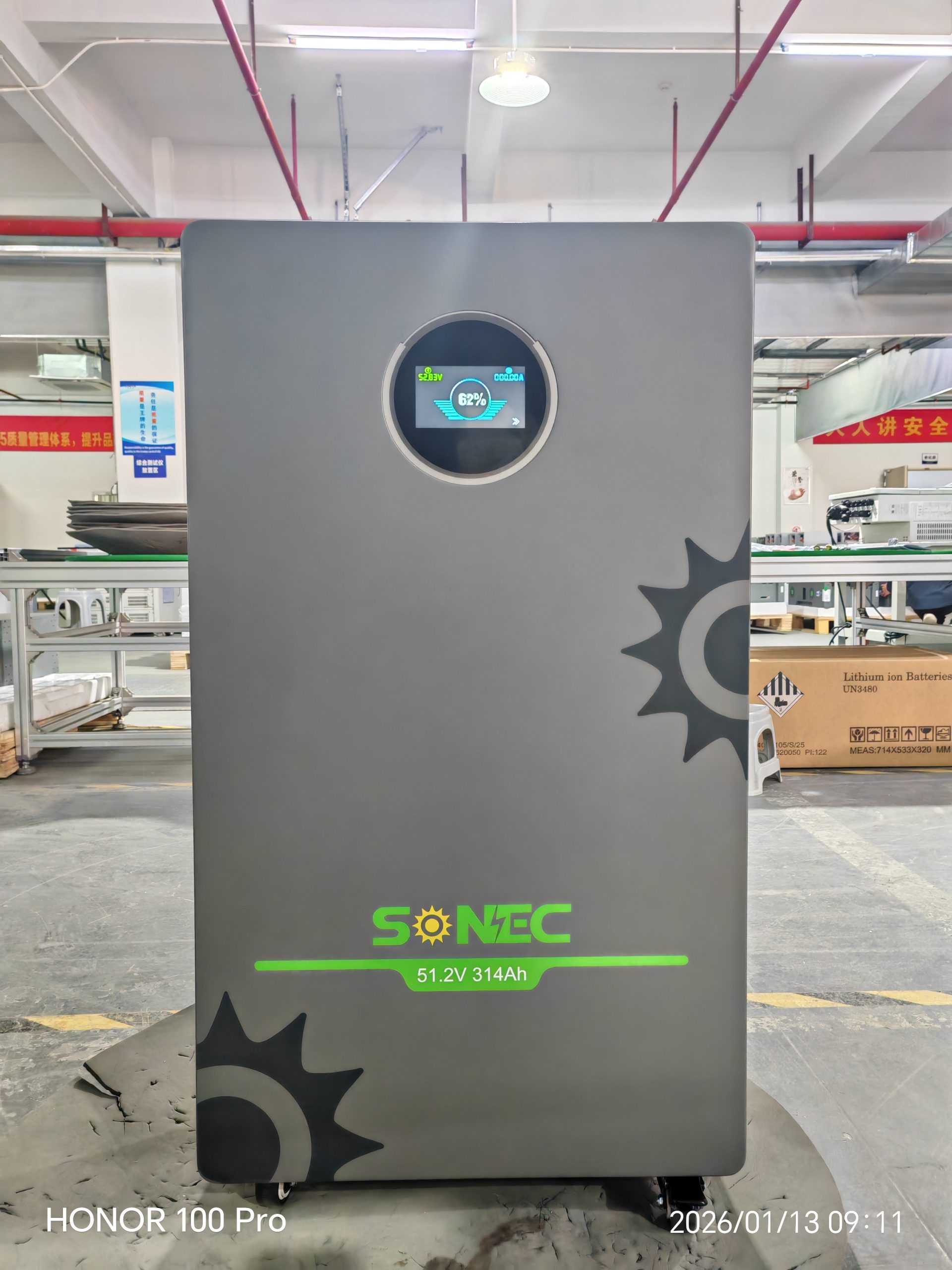
There are numerous types of ESS, but the most commonly known is battery storage. Much like the rechargeable batteries we use in our electric vehicles, cell phones and flashlights, a battery storage system can charge and discharge many times over its lifespan. The key difference between batteries used in ESS and those found in your home is the capacity of the system and its ability to meet specific energy requirements over time.
Energy storage systems are designed to provide energy to the electric grid when needed at a higher level of quality and efficiency, or at different rates. They can also be used to reduce demand charges for commercial and industrial customers who participate in utility demand-side management programs.
ESSs are critical to achieving the goals of a clean energy future by helping to reduce fossil fuel consumption and emissions. They allow electric utilities to increase the amount of renewable energy sources on their systems, and enable them to offer a greater variety of services.
The length of time an ESS can supply electricity varies by type and design, with some able to provide energy over long durations (diurnal storage). Pumped hydro and compressed air are examples of large-scale systems that deliver this form of power generation. Other systems, such as thermal ice storage and molten salts, are used for shorter-duration energy storage.
Other ESSs are in the early stages of development, including super-conducting magnetic storage and concentrating solar thermal energy. While they may not yet be ready for commercialization, they are promising technologies that can help to improve the overall efficiency of a power grid and contribute to its reliability.
Rhode Island Energy’s ConnectedSolutions program offers incentives for homeowners, businesses and communities to install energy storage systems. Learn more by clicking here.
Currently, more than 3,600 MW of large-scale battery storage is operational in the United States, and nearly 40,000 MW more are under construction. Many of these projects are located near renewable energy facilities to maximize their benefits, but they can be sited anywhere with an electric power grid connection.
The majority of these installations are paired with solar photovoltaic systems to provide both energy generation and storage in a single facility, with the solar panel array serving as the charging source for the battery system. Small-scale ESSs are often owned by end users with solar photovoltaic systems who can benefit from a battery backup to offset high summer energy bills, reduce peak demand and prevent outages. Some small-scale ESSs are also being deployed as part of microgrids. Larger-scale battery ESSs are typically owned by electric utilities and are co-located with wind or solar energy plants.
Tags:c&i energy storage system | commercial energy storage