



News
A Lithium Battery Backup For House Buying Guide

A Lithium Battery Backup For House Buying Guide
Whole house battery backup systems are a major step forward in home energy security and sustainability.lithium battery backup for house They offer clean, quiet backup power during grid outages and ongoing savings through peak shaving and energy optimization. But selecting the right system involves thorough analysis of your specific needs, careful evaluation of available technologies, and professional installation expertise. This comprehensive buying guide will help you make an informed decision that delivers optimal value and performance.
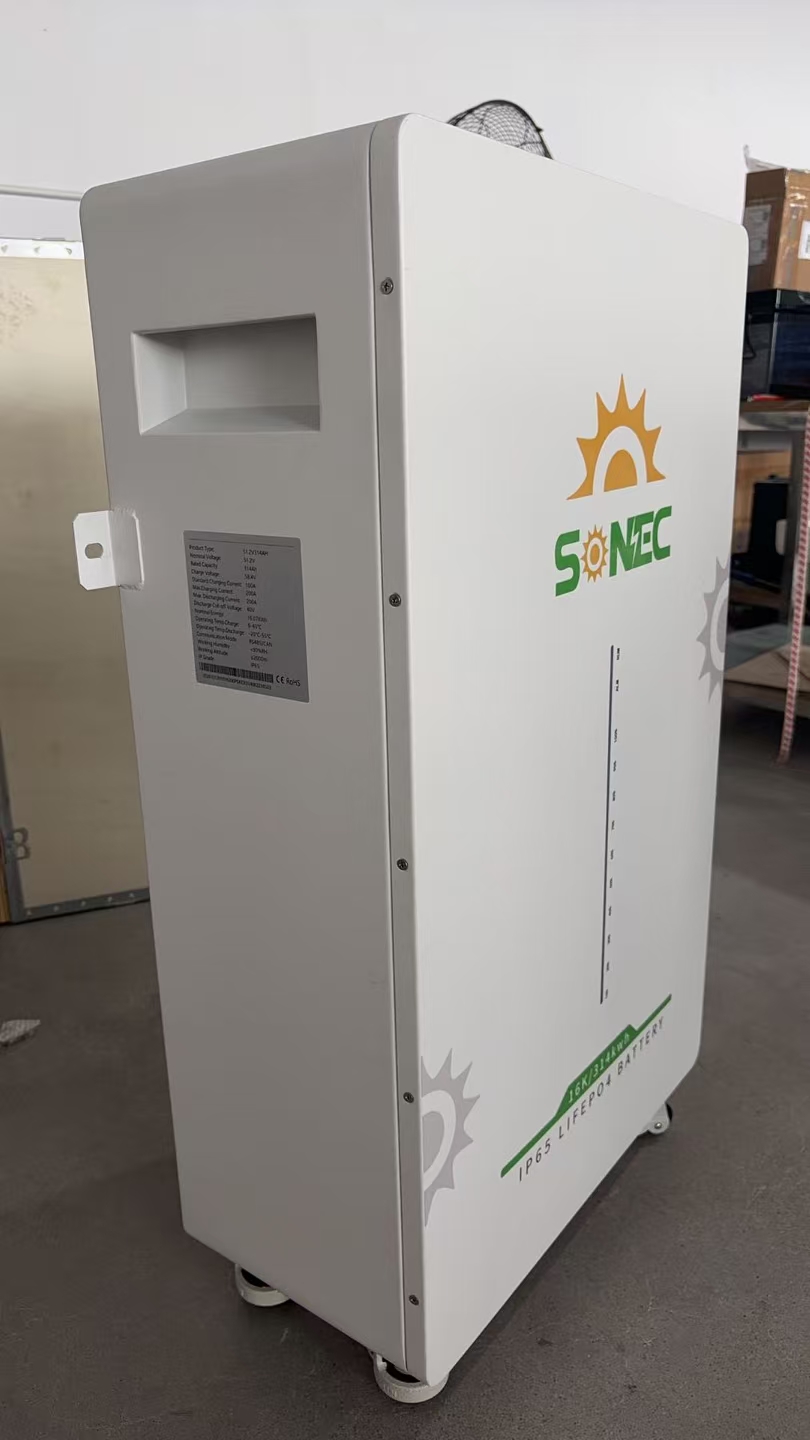
A lithium battery backup for house is a rechargeable energy storage solution that can provide backup power during grid outages or avoid paying high electricity rates during peak times.lithium battery backup for house These batteries are much smaller and lighter than lead-acid batteries, making them easier to install and maintain. Moreover, lithium batteries are less likely to experience thermal runaway than other types of batteries. However, it’s still important to monitor your battery system and follow preventive maintenance procedures to ensure optimum performance.
Lithium batteries for the home use a sophisticated power management system to control charging and discharging, resulting in a safe and long-lasting investment. They can be installed standalone or paired with a solar energy system to offset peak electricity rates and save money in the long term. Standalone lithium batteries are also a great option for off-grid homes and remote properties that require reliable backup power.
The first step in choosing the right home lithium battery is to determine your energy needs. To do this, start by calculating your critical power loads and surge requirements for motor-driven appliances. Once you know your energy demands, consider how much time you need the backup system to run each load during a power outage. A higher capacity battery will allow you to operate more critical appliances and extend the duration of your backup power.
After you have determined your power demands, choose a battery backup system with the right voltage and power rating to meet your needs. Additionally, check the warranty and lifespan of the battery to ensure peace of mind and long-term savings. Ideally, you should opt for lithium iron phosphate (LiFePO4) batteries that are compatible with your solar panels or energy system.
While there are several different kinds of battery backup systems on the market, lithium-iron phosphate batteries are widely considered the best choice for residential applications. They have a longer lifespan and better safety profile than traditional lead-acid batteries, providing decades of service. Additionally, they don’t contain toxic chemicals like sulfuric acid and are safer to handle and dispose of.
Whole house battery backup systems are complex and must be properly installed to ensure optimal performance. This requires a thorough analysis of your home’s electrical configuration and professional installation by licensed electricians. This includes connections to the electrical panel and transfer switches, as well as compliance with local electrical codes.
A battery backup system should be located in an area with good ventilation, away from living quarters and flammable materials. It should also be mounted securely to a solid frame and secured with wall straps. It is recommended to regularly inspect the system for signs of damage or wear and to perform preventive maintenance, such as checking the electrolyte level and terminal cleaning.
Tags:home battery | house battery system | lithium ion battery