



News
The Benefits of Residential Battery Storage

The Benefits of Residential Battery Storage
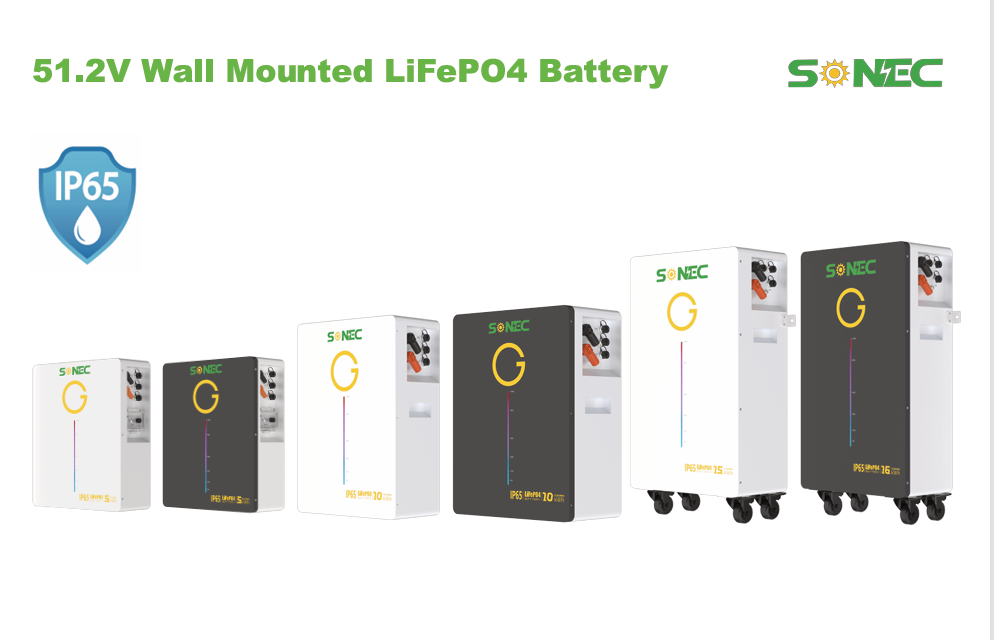
Home battery storage allows owners of solar power systems to store electricity generated by their panels.residential battery storage This energy can be used on demand or sold back to the grid at times when there is excess power produced. This is a very cost effective way to ensure your solar system always produces the maximum amount of electricity possible.
Residential battery storage is currently available from several manufacturers and installers.residential battery storage The best known brands include Tesla’s Powerwall and Sonnen’s SunStorage. In the future we anticipate that there will be more options available as the market expands and the technology continues to evolve.
The most common use of a home energy storage system is as backup in case of a power outage. This is an excellent application for batteries and the reason why these systems are growing in popularity in many states. The backup capability also provides homeowners the opportunity to reduce their dependence on fossil fuel generators which are often expensive to run and produce pollution. Portable gas generators are notorious for producing carbon monoxide which kills about 85 people a year in the US. Home energy storage systems that incorporate lithium ion batteries are a safer, cleaner alternative to generators.
A residential battery storage system can also help reduce your utility bills by eliminating peak demand charges. These are a type of charge that your local power company applies during certain periods of high electricity usage. By storing your excess solar energy in a battery, you can lower your peak demand which reduces the charges on your monthly bill.
In addition, a battery can lower your exposure to high utility rates and price volatility. By storing your excess solar energy in the battery, you can reduce your reliance on fossil fuels that are typically sold at higher prices during peak demand periods. This can significantly reduce your overall energy costs.
Battery chemistry plays an important role in how long your batteries will last. Temperature greatly impacts battery performance, with hot temperatures speeding up wear and cold temperatures reducing performance. It is recommended to follow the manufacturer’s guidelines for temperature and charging/discharging of your batteries to maximize longevity.
Another aspect of battery longevity is proper storage and handling. Batteries should be stored in cool, dry locations that are well-ventilated and free of moisture. Keeping batteries in their original packaging or a suitable container is recommended. Additionally, storing batteries with a partial charge is recommended for extended periods of time to avoid deep discharges which can shorten lifespan.
It is also recommended to only purchase a home energy storage system from a reputable and licensed installer that will provide an in-depth site assessment, installation and warranty. In addition, you should look into any available local incentives for installing batteries, as they can dramatically reduce the initial investment. Once installed, a home energy storage system can pay for itself quickly by avoiding costly grid charges and by increasing your financial benefit from renewables.