


News
The Home Battery Revolution: Powering a New Era of Energy Independence

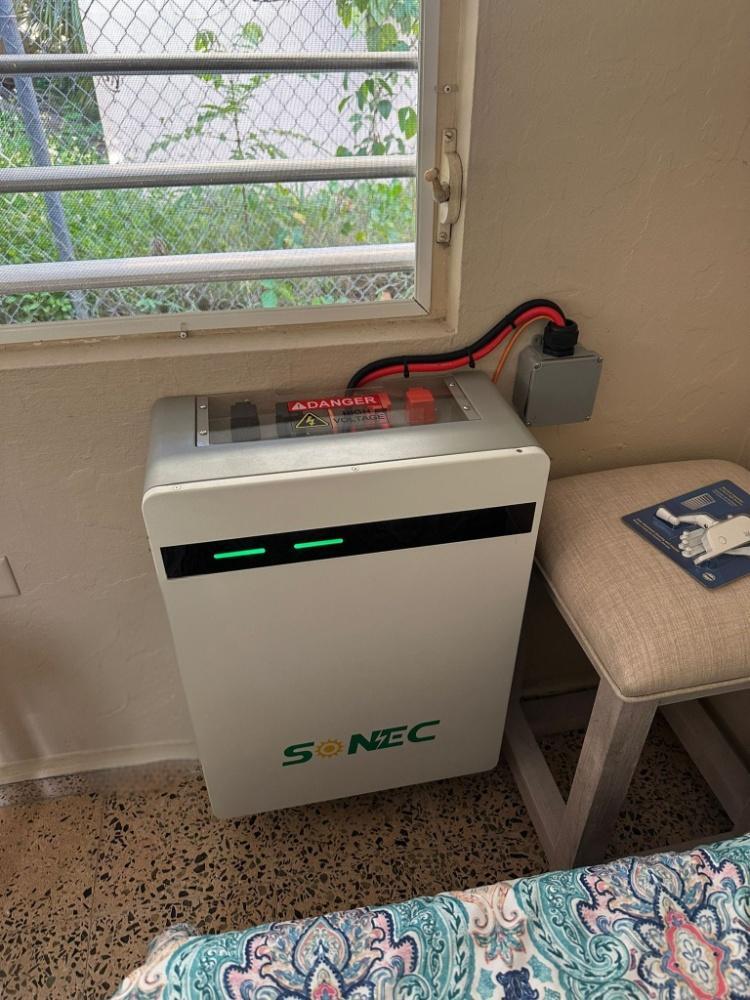
For decades, the electrical grid was a one-way street. Power flowed from distant plants to our homes, and we, the consumers, had little control beyond paying the monthly bill. Outages were inevitable, price hikes were a fact of life, and the environmental cost of our energy consumption felt abstract. Today, this paradigm is shifting dramatically, thanks to the home battery revolution. This isn’t just a minor upgrade; it’s a fundamental reimagining of how we power our lives. It’s a movement away from passive consumption and toward active management, placing the power of energy independence directly into the hands of homeowners. This revolution is transforming homes into intelligent, resilient hubs of personal power.
From Backup to Brain: The Multifaceted Role of the Modern Home Battery
The initial appeal of home battery storage was simple: keeping the lights on during a blackout. While this remains a crucial function, modern systems have evolved into sophisticated energy management brains for the household. The contemporary home battery is an intelligent device that does more than just store electricity; it optimizes, economizes, and empowers.
Imagine a device that seamlessly integrates with your solar panels, capturing every bit of excess energy generated during the sunny day instead of sending it back to the grid. Then, as the sun sets and electricity prices spike, it powers your home with that stored, clean energy. This capability is at the heart of the home battery revolution, allowing homeowners to maximize their self-consumption of renewable energy and drastically reduce their reliance on utility companies. Furthermore, these systems can be programmed to charge from the grid when rates are at their lowest, creating a cycle of buying low and using stored power when costs are high. This intelligent “peak shaving” can lead to significant savings on electricity bills, turning a household utility cost into a manageable, optimized expense.
The Global Surge: Market Forces Fueling the Revolution
The home battery revolution is not a niche trend; it’s a global phenomenon with explosive growth. Research indicates the global residential storage battery market is projected to reach a staggering $16.49 billion by 2025, with a staggering compound annual growth rate forecasted into the next decade . This surge is driven by a powerful combination of factors.
In Europe, countries like the Netherlands are witnessing a dramatic shift. With the impending cancellation of the net metering system in 2027, homeowners who invested in solar panels are now turning to batteries to maximize their self-consumption and protect themselves from future electricity price increases . The number of home storage batteries in the Netherlands alone is expected to grow by over double this year, a clear indicator of a market adapting to new rules and seeking independence .
Simultaneously, the United States market is experiencing rapid growth, driven by a desire for energy security and the widespread adoption of rooftop solar. In 2023, the U.S. saw home energy storage additions hit 1,640 MWh, with leaders like Tesla’s Powerwall commanding a significant market share . This growth is fueled by grid instability in states like California and Texas, and the economic advantage of leveraging time-of-use electricity rates. The home battery revolution is being further accelerated by technological advancements and falling costs. As battery technology, particularly lithium-ion, becomes more efficient and affordable, these systems are moving from a luxury item to an accessible component of a modern smart home.
Technology at the Core: The Engine of Change
At the heart of the home battery revolution is a rapid pace of technological innovation. The industry is in a constant state of advancement, focusing on making batteries more powerful, longer-lasting, and safer. A key trend is the shift towards larger-capacity cells. For instance, 314Ah cells are seeing massive global adoption, with their penetration rate in the energy storage market expected to reach 70% by 2025 . These high-capacity cells reduce system complexity and cost, making large-scale home storage more economical.
Another critical development is the pivot towards Lithium Iron Phosphate (LFP) chemistry. Major suppliers are increasingly offering LFP-based systems due to their superior safety profile, longer cycle life, and lower cost compared to nickel-based alternatives . This shift also plays to the strengths of Chinese manufacturers, who dominate the LFP supply chain, influencing global competition. Beyond the cells themselves, innovation thrives at the system level. Companies are fiercely competing to simplify installation and improve user experience. We see products designed for “semi-DIY” installation, which can reduce installation fees by up to 85% , and software that intelligently manages energy flow based on dynamic electricity prices. This focus on user-friendly, modular, and scalable systems is crucial for mainstream adoption, ensuring the home battery revolution is not just powerful, but also practical for the average homeowner.
The Competitive Landscape: New Players Challenge the Giants
The burgeoning market has ignited a fierce competitive battle, fueling the home battery revolution with a diversity of options and rapid innovation. The landscape is a dynamic mix of established behemoths and agile new entrants. Traditional automotive and tech giants like Tesla, BYD, and LG have long been leaders, collectively holding a significant portion of the global market share .
However, they are now being challenged by a wave of innovative companies from the consumer electronics and outdoor power space. Brands like Anker and EcoFlow, which cut their teeth on portable power banks and outdoor energy stations, are now entering the home storage arena . These newcomers are leveraging their expertise in user-centric design and rapid iteration to disrupt the status quo. Their strategy often involves simplifying the often-complex purchasing and installation process. For example, Anker’s Solix brand promotes a semi-DIY installation model, while EcoFlow designs systems that are easier for renters and homeowners to adopt without major structural changes . This intense competition is pushing all players to lower prices, enhance features, and improve accessibility, ultimately speeding up the home battery revolution for consumers worldwide.
Beyond the Home: The Collective Power of Virtual Power Plants
Perhaps the most transformative aspect of the home battery revolution is its potential to reshape the entire energy grid. This is where individual action creates collective impact. Through programs known as Virtual Power Plants (VPPs), utilities can aggregate thousands of individual home battery systems to function as a single, large power plant.
When electricity demand surges across a region—during a heatwave, for example—the utility can send a signal to these networked batteries to discharge a small amount of their stored energy back to the grid. This collective action helps prevent rolling blackouts and reduces the need to activate polluting and expensive “peaker plants.” In return, homeowners receive financial incentives or bill credits, turning their home battery into a revenue-generating asset. This creates a smarter, more resilient, and cleaner electricity network for everyone. The home battery revolution thus transcends individual benefit; it becomes a cornerstone of community-level energy security and environmental sustainability.
The Road Ahead: Challenges and the Future of Home Energy
Despite its rapid progress, the home battery revolution still faces hurdles. The initial investment, though decreasing, remains significant for many households, with a typical 10 kWh system in Europe costing between €3,500 and €5,000 . Payback periods can be long, and the industry must continue to drive down costs. Challenges around safety standards, recycling, and ensuring compatibility between different manufacturers’ equipment also need to be addressed as the market expands .
Looking forward, the future is intelligent and integrated. The next phase of the home battery revolution will be defined by the deep integration of Artificial Intelligence (AI). AI-driven systems will not only respond to pre-set electricity rates but will also predict household usage patterns, weather conditions, and real-time grid demands to autonomously optimize energy flow. Tight integration with electric vehicle (EV) charging will also become standard, managing the substantial energy load of an EV charger without overburdening the home’s electrical system. As the home battery revolution continues to unfold, it promises a future where our homes are not just shelters, but active, intelligent participants in a cleaner, more resilient, and democratic energy ecosystem.